
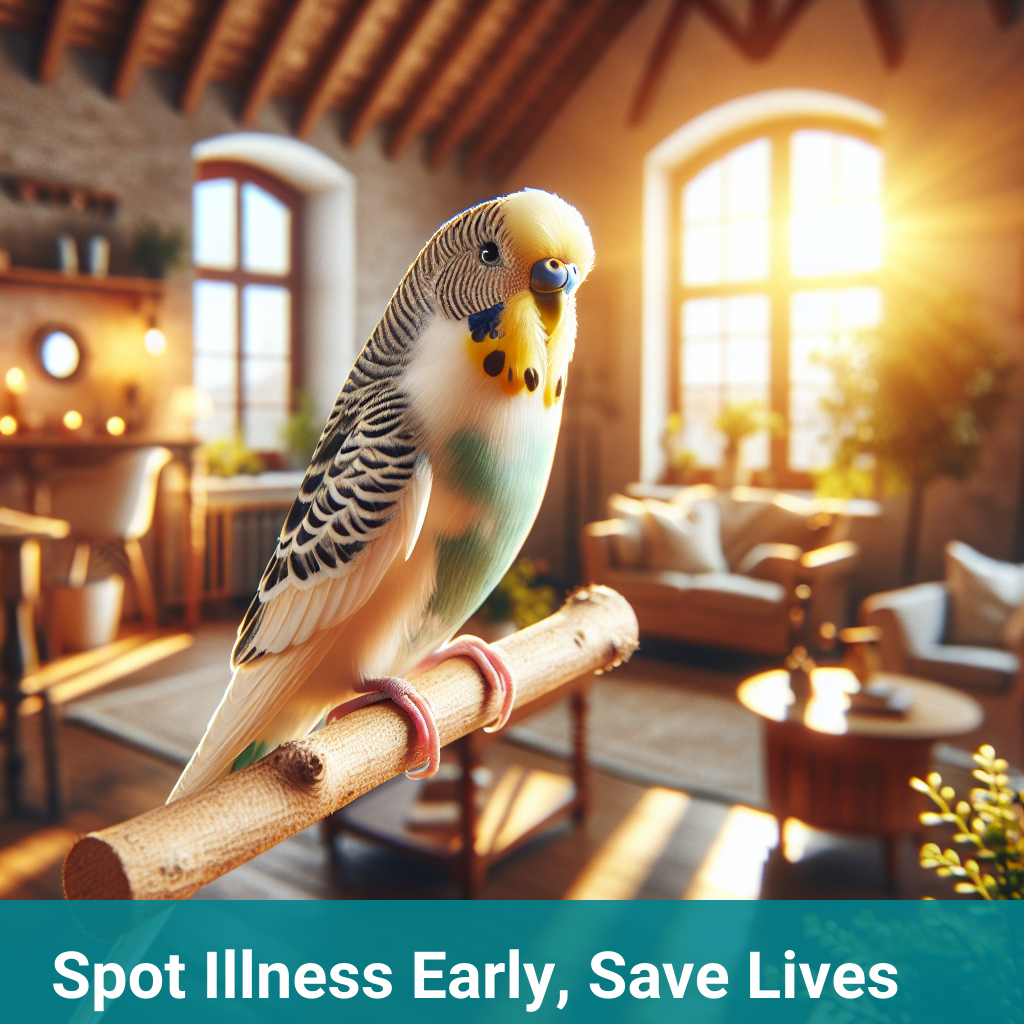
Bird Recognising Illness In Birds
Bird owners often miss the early warning signs of illness because our feathered friends are naturally skilled at hiding discomfort. By the time you notice obvious symptoms—fluffed feathers, loss of appetite, or lethargy—your bird may already be seriously unwell. This is why learning to recognise subtle changes in behaviour and appearance is one of the most valuable skills you can develop as a bird keeper.
Healthy birds are alert, active, and maintain consistent eating and drinking habits. They groom themselves regularly, produce firm droppings, and engage with their environment. Any deviation from this baseline—a sudden quietness, reduced appetite, discharge from eyes or nostrils, difficulty breathing, or changes in droppings—warrants immediate veterinary attention. Because birds have fast metabolisms, illness can progress rapidly, so early detection genuinely saves lives.
The best approach is to establish a routine of daily observation. Spend time watching your bird's normal behaviour, appetite patterns, and physical condition so you can spot changes quickly. Keep records of their health milestones, eating habits, and any observations—this makes it far easier to catch problems early and provide your vet with crucial details during a consultation.