
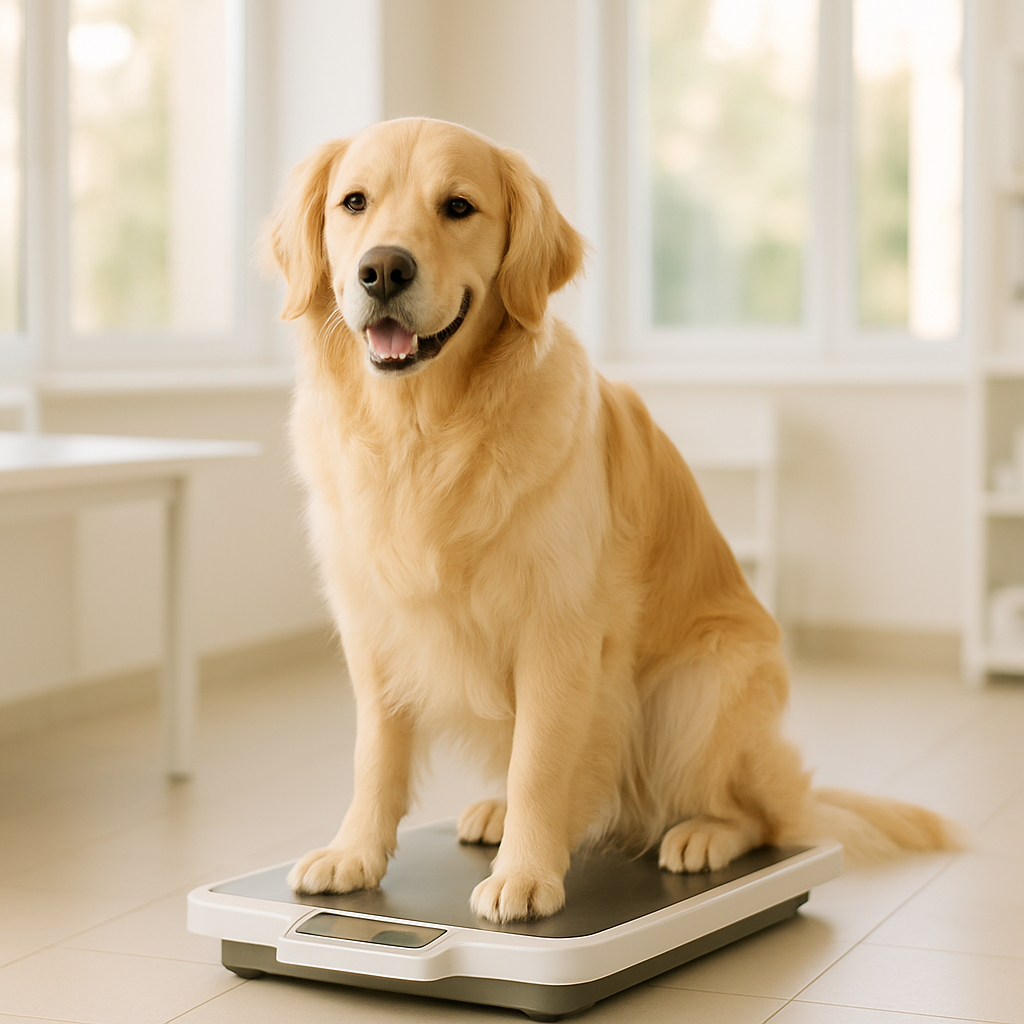
Dog Weight Management
One of the most common misconceptions about dog weight management is that a dog carrying extra pounds is simply 'well-fed' or 'fluffy'. In reality, obesity in dogs is a serious health condition that significantly shortens lifespan and quality of life. Overweight dogs face increased risk of diabetes, joint disease, heart problems, and reduced mobility—issues that can develop silently until they become severe.
The key to maintaining a healthy weight isn't restriction alone; it's balance. Your dog needs appropriate portion sizes matched to their age, activity level, and metabolism, combined with regular exercise tailored to their breed. A lean dog should have ribs you can feel (but not see prominently), a visible waist when viewed from above, and a tucked abdomen from the side. These physical markers, combined with your vet's assessment, are far more reliable than the number on the scales.
Regular monitoring and small adjustments—such as choosing lower-calorie treats, measuring kibble carefully, and increasing daily movement—make a measurable difference. The goal isn't a quick fix; it's sustainable habits that keep your dog healthy, active, and happy for years to come.