
Dog Recognising Signs Of Anxiety
Did you know? Dogs can experience anxiety in ways that often go unnoticed by their owners—and the signs are subtler than you might think.
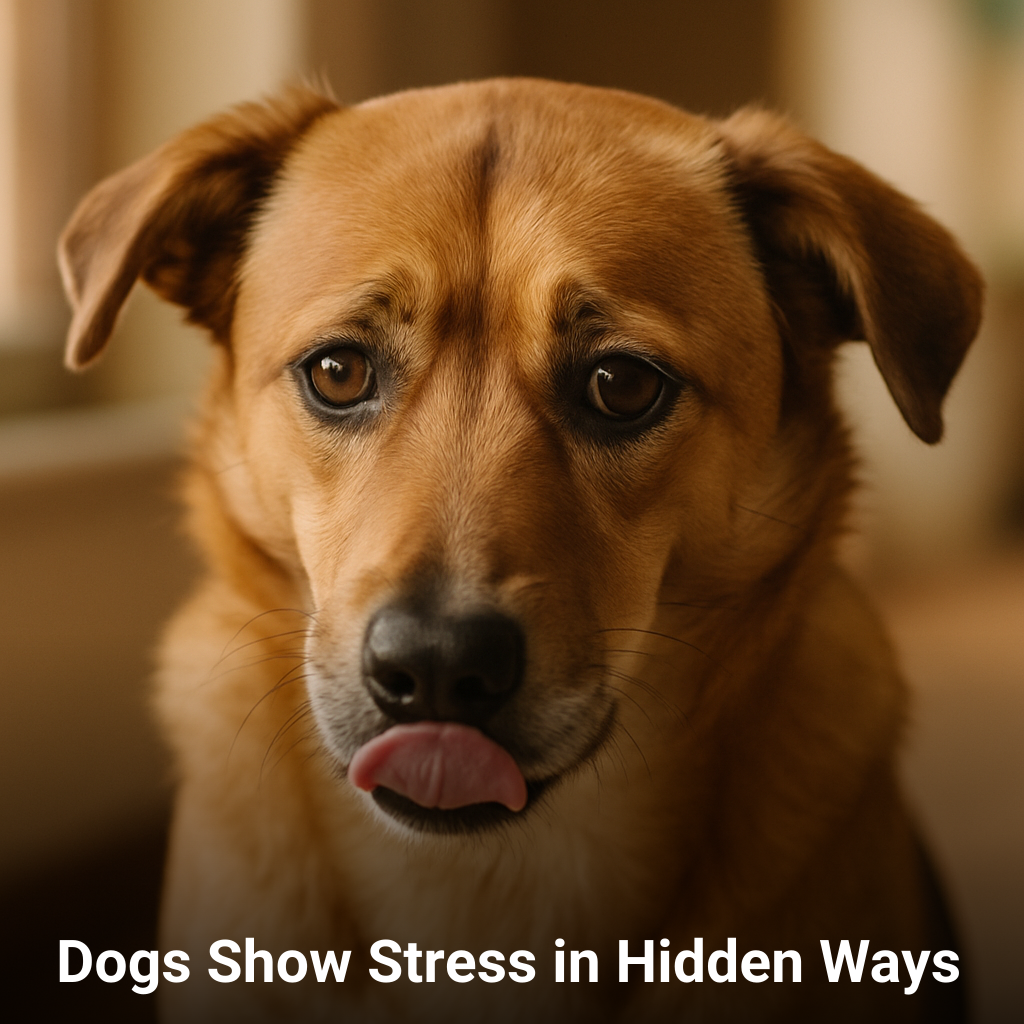
Whilst some anxious dogs bark excessively or pace, others display what behaviourists call 'calming signals': excessive yawning, lip licking, turning their head away, or suddenly losing interest in food or play. A dog might also develop sudden sensitivities to sounds, refuse to enter certain rooms, or show changes in sleep patterns. These quieter behaviours are easy to miss because they don't demand attention the way destructive behaviour does.
Recognising these early warning signs is crucial. Anxiety in dogs can escalate over time, affecting their quality of life and potentially leading to more serious behavioural issues. By observing your dog's baseline behaviour and noting any shifts—however small—you're better equipped to catch anxiety early and work with your vet or a behaviourist to address it.